



We were in the 4th grade when a food fight erupted in the cafeteria at the table next to us. The lunch monitor came over, looked at the offenders, then turned to us.
“This behavior is unacceptable,” she said. “Report to detention in my class after school.”
“What? But Mrs. Diaz,” we protested, “they were the ones throwing food!”
“That may be,” she answered, “but why would I want those hooligans in my classroom?”
A similarly absurd narrative is being spun around the First Brands and TriColor bankruptcies: Two private businesses, one in auto parts, the other sub-prime auto loans. No private equity sponsors. Financings for one in the bank market, the other in the ABS market. No direct lenders. Allegations of fraud and double-pledging of assets.
Private credit, report to detention!
The bank model for leveraged loans has always been a risk distribution one. Private credit instead exists to hold risk assets. This key difference has resulted in more effective alignment with owners of middle market companies and their lenders, providing resources and time to allow portfolio challenges to be addressed.
Also, it appears warning signs had previously surfaced with these credits. Risks concerning governance, liquidity and accounting had been raised, leading many lenders to pass on the financings. Having a private equity partner assess these risks would doubtless have helped lenders gain confidence, or short circuit the syndication.
Our friend Sonali Basak and her colleagues at iCapital published an excellent piece highlighting the takeaways from First Brands and TriColor. Despite critical concerns about systemic risk and BDCs, there’s no evidence of a broader contagion. Of the roughly $500 billion in overall BDCs, only $237 million or 0.05% had primary exposure to First Brands.
Are these events signals of more defaults and losses to come? It depends on your origination strategy. If you are trafficking in the large end of the market where terms are already borrower-friendly or have stretched your underwriting standards to win deals, your portfolio may be showing signs of cracks. But experienced lenders whose credit selection has remained disciplined are benefiting from improved metrics for interest coverage and rating upgrades.
Make no mistake, banks see private credit’s remarkable success disintermediating them from private equity sponsors for LBO financings as an existential threat. Expect blame shifting to continue. Even if the house they say cockroaches are infesting is their own.



Latest news


Information technology topped nonaccruals on a cost basis
Maturities of loans switching to at least partial PIK tends to be longer-dated than Octus’ other stress trackers: nonaccrual and fair value write-down reports.
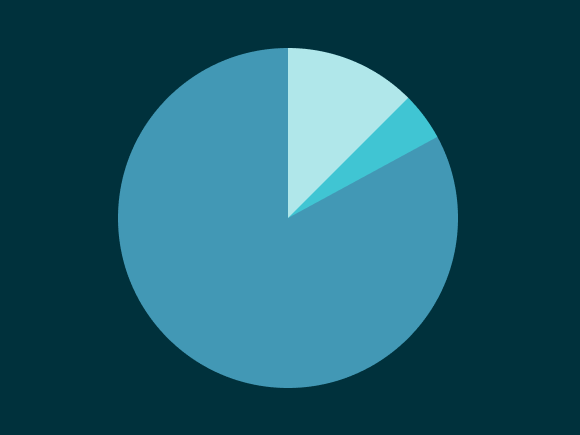
US Broadly Syndicated Loan CLO Defaults in 3Q26 Driven by Distressed Debt Exchanges
Out of court restructurings drove nearly all default activity within Fitch-rated U.S. broadly syndicated loan (BSL) CLO portfolios in 3Q26, Fitch Ratings says.