
“Micro, small, and medium-sized enterprises contribute almost 40% of Malaysia’s GDP and almost 50% of its national work force, yet only 17% of these companies have access to bank financing.” – Sources: KSP, ADM Capital.
Last month our travels took us to Malaysia’s capital, Kuala Lumpur, a city of about 2 million. There we met with clients and friends who are participating in the country’s move towards private credit. One indicator is the recent decision by Malaysia’s sovereign wealth fund, Khazanah Nasional (KN), to dedicate investment ringgits to medium-term enterprises (MTE). These middle market businesses are the engine for economic growth and productivity.
As with Singapore and its comparable fund, Temasek Holdings, KN looks to encourage these businesses to use alternative financing options beyond bank loans. Direct lending has also seen tailwinds from the development of peer-to-peer and digital financial platforms, leveraging technological improvements in data management.
Historically, smaller borrowers in the region steered to private equity and family office channels for alternative credit solutions. Today private credit enjoys an improved regulatory framework. Led by the Securities Commission of Malaysia, this is likely to include rules to address issues such as fraud exempt foreign investments over 100 million MYR. Clearer risk guidelines should provide better transparency for investors and borrowers.
And like other global investors, buyers of private credit here are rewarded with higher returns than other bond-like instruments. Interestingly while individual investors have been attracted to some types of direct lending (like P2P), larger institutional firms in venture capital and private equity are using direct lending to diversify their alternatives portfolio allocation.
Besides KN, Malaysia has five government pension plans that lead foreign and domestic investment. EPF and KWAP are two of the largest, managing over 1 trillion MYR in combined AUM. They often invest in projects together, along with PNB, the country’s largest fund management company. KWAP has stated their intention to invest $9 billion in local private markets over the next five years “to support high-growth, high-value sectors.”
As was the case with Singapore, Malaysia has made the financial support of small and medium sized enterprises (SME) an economic priority. With so much of the country’s GDP and employment driven by those businesses, their ongoing capital needs will help supply the demand of direct lending platforms.
And the country begins the year with solid economic growth expected around 4.5% – 5.0%, buoyed by stable domestic demand, and exports such as integrated circuits, petroleum products, and chemicals. For institutional investors, this supports a risk-balanced allocation strategy — emphasizing stable yield, inflation protection, and portfolio diversification.

Latest news

US leveraged loan launches reach five-month high in September
The US leveraged loan market recorded $93.6b of launches in September, marking the busiest month of primary market activity since…
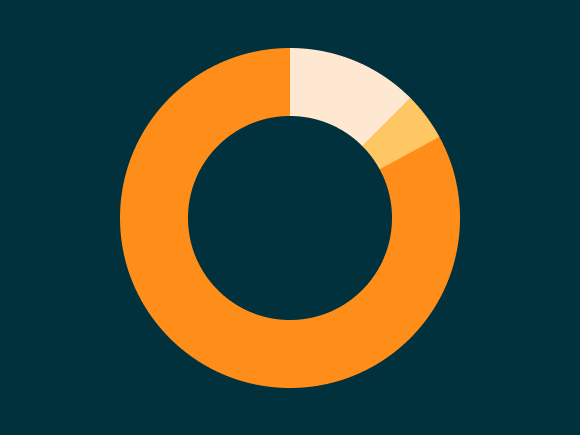
Information technology topped nonaccruals on a cost basis
The information technology sector moved from second place in the first quarter to the top of the list in the second quarter