
When we visited friends and clients in Kuwait last November, we noted increased sophistication of institutional and sovereign wealth investors around private capital. That trend continues.
As with Oman, Kuwait has a sovereign wealth fund, though significantly larger at $1 trillion, making it the fifth largest in the world. Like the OIA, the Kuwait Investment Authority (KIA) is committed to increasing exposure to private markets in the country. KIA’s Future Generations Fund, like Oman’s, looks for alternative investments that include private capital, real estate and infrastructure. These asset classes remain the most developed in alts.
While experienced investors historically allocated to high octane credit, in the current environment, funds here and in MENA, generally, are slowly, steadily aligning themselves with private credit and its variants. Worries of an “overcrowded market” have some preferring to deploy with managers having a more tactical approach within the wider credit markets.
Private equity is a more advanced asset class in the region, more than private credit. But several factors are slowing PE momentum. Of course, the J-curve, i.e. slower deployment relative to distributions, still bedevils LPs. And with M&A activity sluggish, DPI remains at a low.
With private equity’s fastest growth behind it, at least for now, attention to private credit is strong. Direct lending was the first in line, and now other areas are expanding including junior capital, specialty finance, asset-backed finance, and CLOs; some more advanced than others.
Middle East investors are asking due diligence questions similar to others we’ve met globally, particularly since Liberation Day. The US economy seems to be in a state of flux. Is it slowing? Which sectors are growing, which are fading? Where will growth come from? How will this affect portfolios? We hear the number of defaults are increasing, and spreads declining.
Overall yields are declining, less from spread compression, since the middle market has kept a healthy premium to bank loans, but from lower SOFR. Investors still seek a 10% minimum, ideally 12-14% for “senior debt.” The question, though, is do those opportunities present the same risk profile as strategies in that range did when the benchmark was at its peak?
Another universal concern is around supply/demand: given all the fundraising in private credit, is there too much money chasing too few deals? To address this issue effectively, you need to understand the different origination models for each manager. Where does deal flow come from? Are potential borrowers in industries exposed to cyclical or unusual macro headwinds?
Investors in Kuwait are also keenly aware of structural nuances in private credit. For example, PIK vs. cash-pay options providing performing issuers with financing cushions during high-rate environments (“good PIK”). Compare those being offered to weaker credits that can’t afford all-cash payments because of deteriorating financials (“bad PIK”). This and rising defaults and non-accrual loans in BDCs are gaining attention in the region and elsewhere.

Latest news

US leveraged loan launches reach five-month high in September
The US leveraged loan market recorded $93.6b of launches in September, marking the busiest month of primary market activity since…
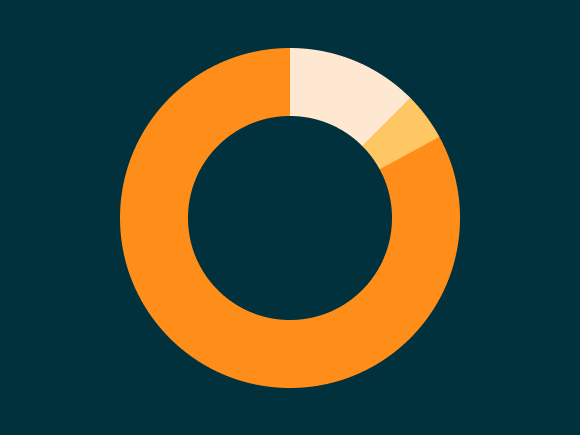
Information technology topped nonaccruals on a cost basis
The information technology sector moved from second place in the first quarter to the top of the list in the second quarter