



Despite our known deficiencies on the links, we were invited last week to a superb round of golf with other direct lending professionals at a course in Summit, NJ.
‘Superb’ because we walked away with ‘closest-to-the-pin’ honors. Though in fairness, 48 feet, eight inches is hardly close to anything. And we didn’t even make the par putt. Then our partners carried us to the ‘best-foursome’ score. Pro forma adjusted.
Nineteen holes is also plenty of time to dissect goings-on in leveraged loans. There was wide agreement that both terms and structures have become as issuer-friendly as at any time in a decade. And while sponsors are supporting buyouts with plenty of equity, toppy leverage and weak covenants aren’t always applied to the best credits.
As far as activity goes, most shops reported a remarkably busy August. “I don’t know where the summer went,” one midcapper lamented. “We usually see a slowdown about now, but it’s not happening. Not that the quality is all that great.”
Another lender agreed. “Things just started to ease up this past week,” he said. “We’ve actually had a good year. But it’s crazy competitive. We’ve lost a bunch of stuff on structures that make zero sense, given where we are in the cycle. Let ‘em have it.”
“We’re in no hurry to put money to work,” another capital markets chief told us. “It’s tempting to jump into deals for the yield, but we have a small team. We can take our time. Our partners are waiting for the market to crack, then they’ll be all-in.”
There was also widespread agreement that the syndicated middle market loan product is a shadow of its former self. “Most deals are being underwritten and held by direct lenders. Unless you’re in the club, there’s very little paper to go around.”
Supply/demand was also a topic of a separate chat we had over the weekend with a BSL portfolio manager. Why, we wanted to know, given all the cash exiting retail funds – $22 billion so far this year – aren’t we seeing more impact to large cap spreads?
“The supply of deals has been mostly sopped up by CLO issuance,” he said. The data supports his thesis. According to S&P LCD, there’s been about $74 billion of demand coming from CLO vehicles this year. Or $50 billion, give or take, net of fund outflows. Compare that to about $43 billion in net new-issue loan supply.
“But there’s a cost,” the manager continued. “No one wants to load up on B3/B- paper ahead of a downturn. And the agencies have been pretty conservative, given past experience. So CLOs have lightened up at the riskier end of the single-B spectrum.”
That’s also consistent with the numbers. In 2008 roughly 46% of CLO assets were rated B3 or B-. Today that metric stands at about 36% (per LCD).
So in the current market, loan participants are hoping to stay in the fairway. As we head around the back nine, can they avoid the rough?



Latest news

PIK Your Next Adventure
Every amended PIK loan hits the same crossroad. Not everyone ends up at the same destination.
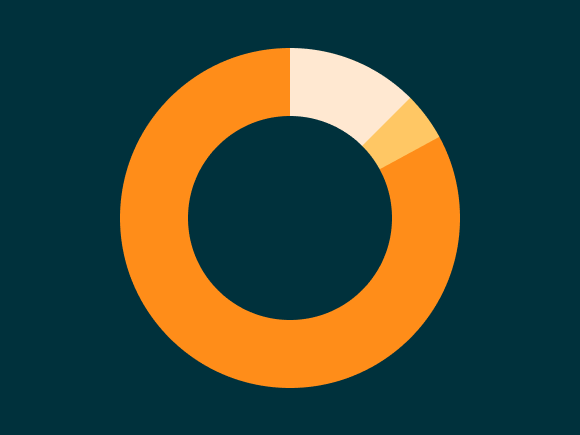
Top 50 BDCs Accounted for 75% of Nonaccrual Loan Cost in Q2’26
The 50 largest BDCs, on the basis of total debt investments as of the second quarter of 2026, accounted for 75% of the total aggregate reported value of nonaccrual debt at cost and fair value.
Private Credit Defaults 101: Beyond the Noise
Like any good school year, this series went by fast. But unlike the end of the year, we’re not out for the summer.