



Traditional cycles may be a thing of the past – what matters is having the skills to take advantage of challenging situations.
To say there’s no such thing as distressed debt any more perhaps suggests the kind of over-optimism associated with the claim that first emerged in the dotcom era that companies no longer needed to be making money to justify sky-high valuations. But, at our PDI Debt Week last week, Ivelina Green, founder and chief investment officer of Pearlstone Alternative, questioned whether the word “distressed” was becoming increasingly outdated.
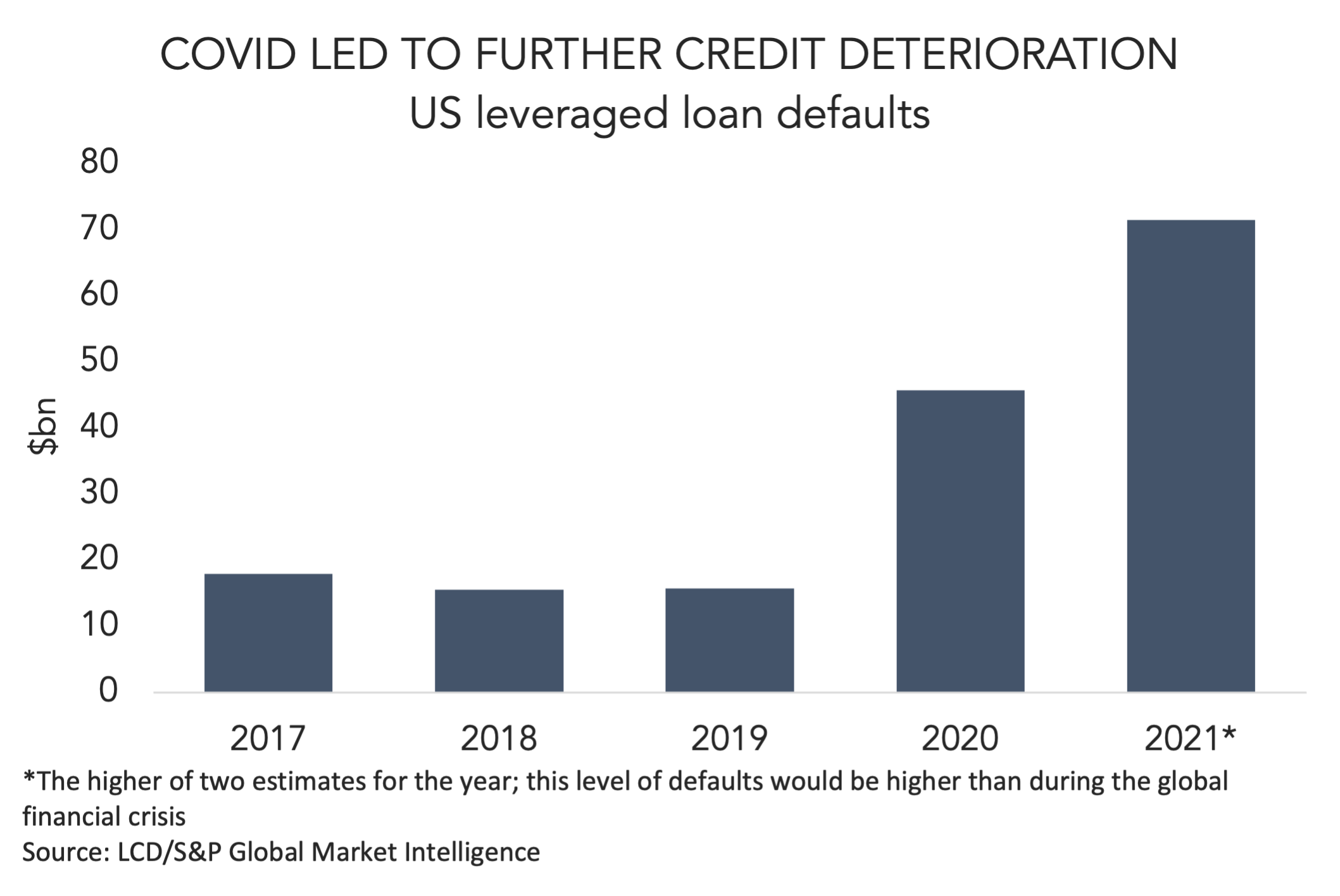
What she was getting at was that people have continued to expect waves of distress following crises such the covid-19 pandemic. But the reality, as she pointed out, is that classic credit cycles of this nature simply haven’t happened for the last 10 or 15 years. Part of that is to do with policy interventions, meaning that the failing companies of the past are now able to access lifelines that enable them to stay afloat. Or, as one person present at the event said, “government have stepped on the feet of those providing rescue finance”.
Green’s argument is that distressed is now less a strategy, more a skillset. That skillset blends a private equity-style ability to work with companies on operational issues with a deep understanding of legal frameworks and is applied across complex credit situations. “If you are just focused on something like loan-to-own, you will probably struggle to deploy capital,” Green noted. “You might have traditional distress at times during the cycle but it’s the skillset that drives alpha.”
Fellow panellist Manon Mendez, a vice president and special situations professional at Blackstone Credit, argued that this is why distressed funds now need to have flexible investment mandates. She described today’s equivalent of a traditional distressed debt manager as “a capital solutions provider to complex situations that are not necessarily distressed”. That may be a bit of a mouthful, but it perhaps better describes the reality of distressed investing today.
(Past performance is no guarantee of future results.)




Latest news

US Leveraged Loan Launches Exceed $30b in post-Labor Day Rush
The US leveraged loan market recorded $24.6b of new launches on Tuesday, September 8, marking the busiest post-Labor Day surge…


PE fund distribution rates
Following 2021, buyout distribution rates have fallen to roughly 10% to 15% below the 25-year average.