



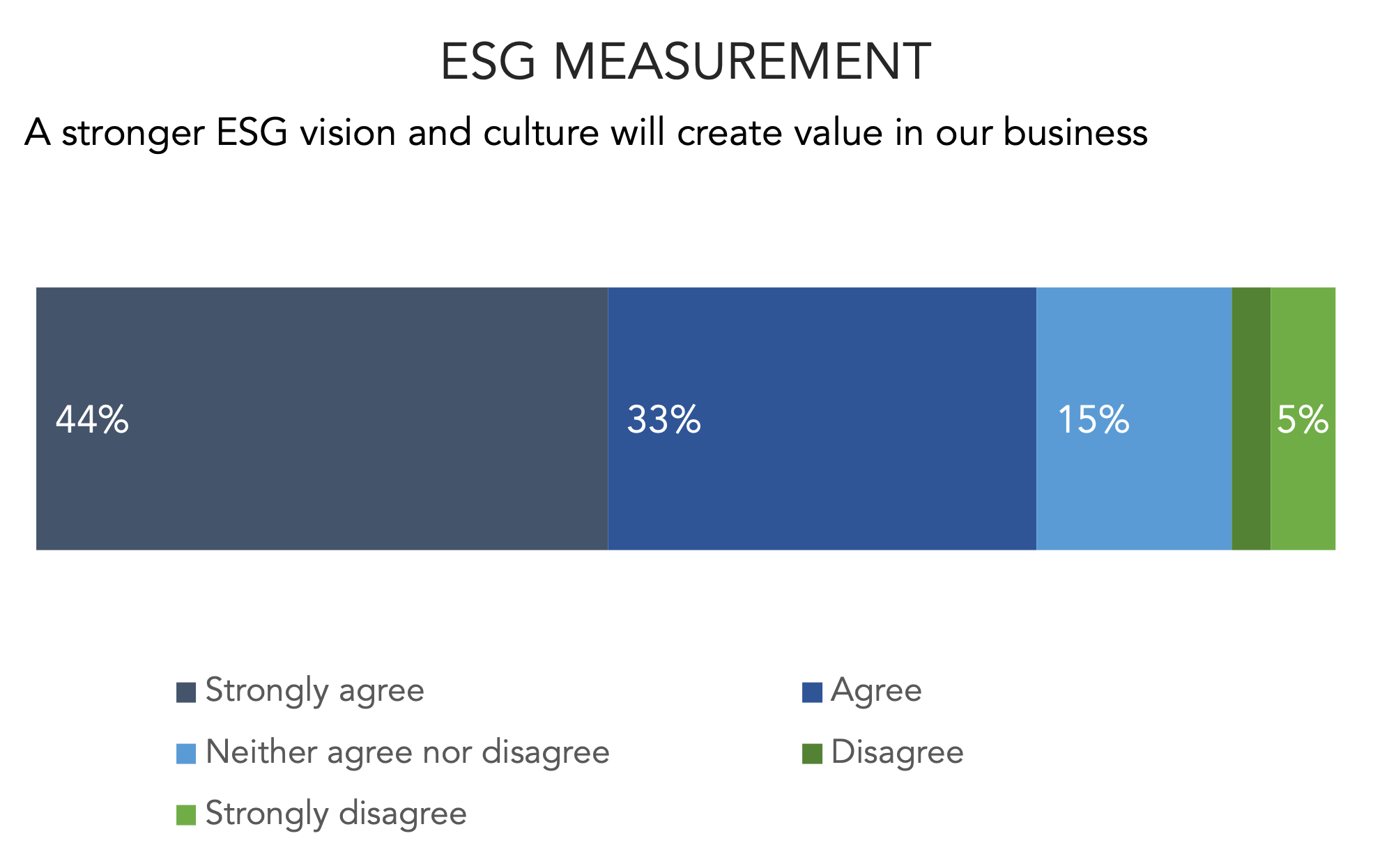
Investors are not convinced that ESG-friendly loans necessarily force managers to up their game.
Private debt, it could be argued, has up to now occupied the back seat when it comes to environmental, social and governance issues. The expectation in sponsored deals has been that private equity firms can take a more proactive, hands-on approach to portfolio companies and are therefore the more natural catalysts of change.
However, there is now greater appreciation that lenders can take the steering wheel themselves – for example, through loans that have margin-related incentives for hitting ESG targets. These loans have certainly been proliferating in the market but investors appear to be split in half on the issue of whether the perks that borrowers receive from ‘green’ loans and bonds are justified.
A recently published survey from the European Leveraged Finance Association, which quizzed 170 credit investors in Europe – 90 percent of which owned bonds or loans incorporating environmental, social and governance provisions – found that just over half (51 percent) believed that the structure and targets for sustainability-linked bonds were “robust and credible”. For green/social/sustainable bonds, the figure was 55 percent.
The main investor concern was that companies may be able to reap the benefits of “greenium”-style interest savings while avoiding meeting, or even testing, key performance indicators. They are able to do this by issuing instruments that are callable before the KPI target date.
Over a third of investors (37 percent) said between two and five years was an appropriate timeframe for a borrower to test KPIs, while 25 percent said less than two years (which would almost certainly fall within the non-call period). A further 30 percent said it should be case-by-case, with no absolute timeframe. Ninety percent of investors said it would not be appropriate to change ESG KPIs in the event that an issuance turns out to have strong demand.
The availability of ‘green’ loans is a powerful way for the private debt asset class to show it is taking ESG responsibilities seriously. But if they are structured in such a way as to imply a degree of ‘greenwashing’, they may well undermine rather than further advance the progress that has been made so far.



Latest news

US Leveraged Loan Launches Exceed $30b in post-Labor Day Rush
The US leveraged loan market recorded $24.6b of new launches on Tuesday, September 8, marking the busiest post-Labor Day surge…


PE fund distribution rates
Following 2021, buyout distribution rates have fallen to roughly 10% to 15% below the 25-year average.