



Some of the key talking points from our recent roundtable
Amid rising interest rates and an inflationary environment, US private debt professionals are able to look on the bright side. Participants in a roundtable, forming part of our recent US Report, pointed out that rising rates translate to an increase in coupons and widening spreads – theoretically boosting returns in the process. It’s also been widely highlighted, of course, that the floating-rate nature of many loans is a favourable attribute in today’s environment.
But it was also acknowledged that there’s another side to the coin. Those present expressed concerns about how tough it may become for borrowers to service their debts as cashflow pressures increase, especially for those borrowers heading into tougher times with large amounts of leverage on their balance sheets.
For the time being, it seems the pain is not being felt to any significant degree. One participant noted that fewer companies than ever were currently on the firm’s ‘early warning list’ and there were scant signs of distress at this point. In the US at least, a strong labour market and resilient consumer demand appear to have mitigated inflationary pressures and supply chain issues so far.
While this would seem to be good news, it was also pointed out that increases in the cost of financing – understandable on a forward-looking basis – are hard to explain to borrowers when they’re not yet experiencing too many difficulties.
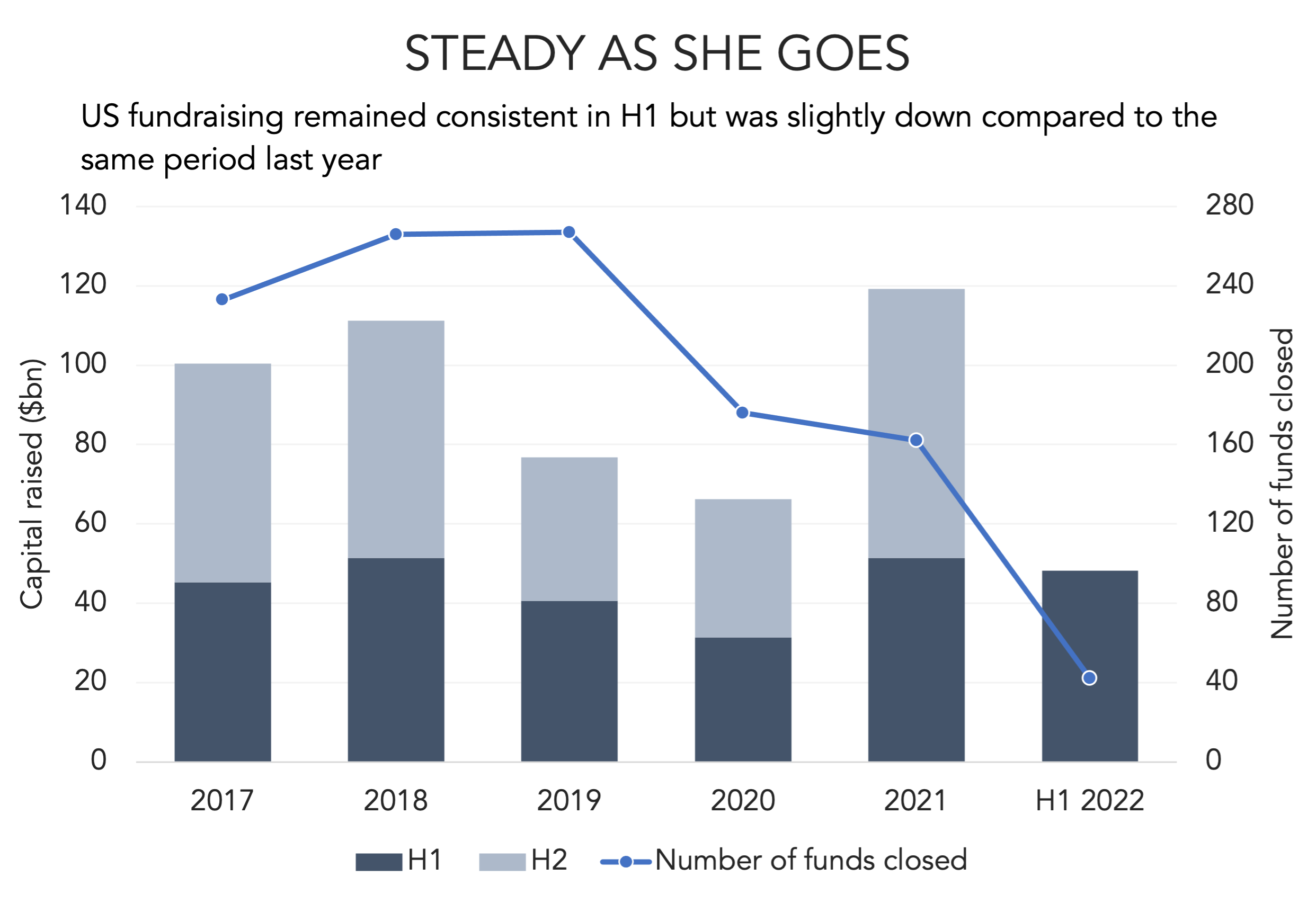
Indeed, much of the conversation is of a speculative nature, ruminating on possible outcomes. Fundraising, however, is a different matter – here, change has already materialised as fund managers find raising new capital to be a tough grind. Partly, this is due to the “denominator effect” arising from public market woes as investors find themselves over-allocated to private markets.
But it’s not just that. The observation is made that investors had by and large finished making their private debt commitments for 2022 by the end of the first quarter, driven by huge amounts of dry powder and a rapid identification of the managers they wanted to partner with. Those touting new funds are being told to come back in a year’s time. The concern is that, should investor caution take root, the message in 2023 might be exactly the same.
(Past performance is no guarantee of future results.)

Latest news

Software, technology and consumer sectors lose deal share in 9M’26
The software and technology sector, the second most active sector in 2025 at 17% of total deal activity, slid to fifth place in the first nine months of 2026.


Leveraged loan investors see gains in November
Following a 0.25% decline in October, the Bloomberg US Leveraged Loan Index (Ticker: LOAN) has returned 0.60% this month through…