



News reached us last week of an unfortunate Shillington, PA man wounded when his shotgun went off. Police believe his dog jumped on the bed where the man was cleaning the weapon, somehow triggering it. A neighborhood cat was also questioned but later released.
We bring this to readers’ attention because of the recent media focus on loan misfires. Until now the relative absence of credit defaults and losses has kept speculation about “bubbles” and “train-wrecks” to a minimum. First Brands and TriColor changed that.
The narrative private credit must somehow be responsible for those two bank-led, non-sponsored financings has been discredited. However, some continue to suggest that, while these instances don’t involve private credit, bad things could be happening out of sight. If there’s mess on the floor, blame the dog!
The charge of opacity in the asset class needs to be understood in the context of how public credit operates. Because hundreds of liquid loans and bonds trade in an active secondary market, investors rely on asset prices to reflect real value. The problem, as we’ve noted before, is that the marks trading desks publish tend to be aspirational. While theoretically based on historic trades, buyers (and sellers) often discover executing at those prices to be elusive.
Public issuers produce, and investors benefit from, quarterly financials. That is no guaranty of loan performance, as the troubled companies demonstrated. Private borrowers also report quarterly, but to the direct lenders and their investors. Not having numbers available for general viewing does not signify diminished value. Indeed, having private equity owners underwriting those reports greatly enhance their credibility.
The story of middle market value remains largely untold in the broader media. This is in large part due to the less dramatic nature of smaller companies in niche sectors. Yet, as we’ll see in a future series on the topic, medium-sized businesses between $50 million and $1 billion in sales represent a huge swath of the US economy. Close to half of the nation’s job generation and revenue growth comes from this category.
Just as unexpected firearm discharges are not generally attributable to pets, most private credit borrowers perform as expected. To the extent negative changes occur, there are multiple checkpoints and screenings to alert lenders. The most critical are maintenance financial covenants. They differ from high yield credit whose issuers are tested only if they incur additional debt. Covenant “defaults” give lenders a chance to negotiate improved positions.
Finally, private equity partners operate as more than capital sources for portfolio companies. They provide oversight in key areas such as governance, legal, accounting, and management background checks. It’s hard to overstate how many credit accidents that supervision helped avoid. Particularly seeing what happens when you leave the safety off.


Latest news


Information technology topped nonaccruals on a cost basis
Maturities of loans switching to at least partial PIK tends to be longer-dated than Octus’ other stress trackers: nonaccrual and fair value write-down reports.
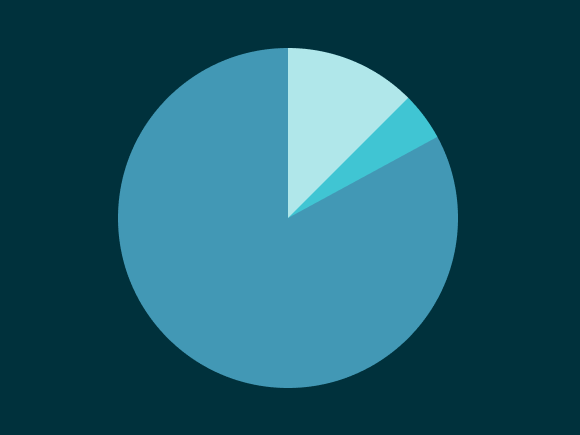
US Broadly Syndicated Loan CLO Defaults in 3Q26 Driven by Distressed Debt Exchanges
Out of court restructurings drove nearly all default activity within Fitch-rated U.S. broadly syndicated loan (BSL) CLO portfolios in 3Q26, Fitch Ratings says.