



A conversation this week between business TV anchors included the following half-joking observation: “Credit managers are saying, ‘Our 2026 outlook is baked. We’re now focusing on 2027.’”
While we admire the brio behind this assertion, our confidence with market predictions – including our own – is not great. What many expected to happen this year, even as late as April’s Liberation Day is a good example. Instead of a recession, crashing rates and wild inflation, the exact opposite occurred. Hence the bullishness for next year.
Even forecasting how much the Fed will cut rates, and by when, is no slam dunk. As recently as November 18 barely 30% of market participants believed the December meeting would deliver a 25 bps cut. Today that stands at over 80% (see our Chart of the Week).
In podcasts and webinars over the past several weeks, we’ve discussed how we see markets, and our own portfolios, performing. Yes, we’ve engaged in some cautious extrapolating to estimate how markets will behave through the first half of 2026. In the next few installments will reprise those observations, addressing investor questions we’ve received along the way.
Let’s start with the growth of private credit. Where is it coming from, and where is it going? While institutional capital represents the bulk of investor appetite, a quickly increasing share is coming from private wealth. Much of the flow continues to go to direct corporate lending, which constitutes about 40% of private credit overall. While categories are blurring, this could include non-sponsored, opportunistic, distressed, venture debt, and small cap, etc.
More investors are also seeking to diversify into more specialized lending, such as asset-backed finance, real estate, investment grade credit, and consumer lending. Even more niche are arenas such as pharma royalties, shipping and aviation, litigation, etc.
What is driving this popularity? First, investors are seeking a premium yield compared to public credit options. Second, they are looking for an income stream that remains consistent across a variety of cycles. Finally, diversity that in a 50/30/20 portfolio, where “20” is alternatives, provides protection from headline risk – rates, recession, tariffs, government shutdowns.
How do we see the unfolding macro environment? For lenders focused on US middle market companies in defensive sectors, it should remain constructive. Post-Liberation Day deal flow recovered. Private equity firms and their private capital partners have reported higher month-to-month volume since April. In part this is due to lower rates which help financing costs.
Other tailwinds include strong corporate earnings, subdued inflation and tariff policies adjusted for or worked around. And in the middle market, sponsors specialize in high-growth sectors ripe for consolidation. Their operating partners create “synthetic” M&A pipelines independent of larger auctions run by investment banks. That should support direct lending deal flow momentum well into next year.


Latest news

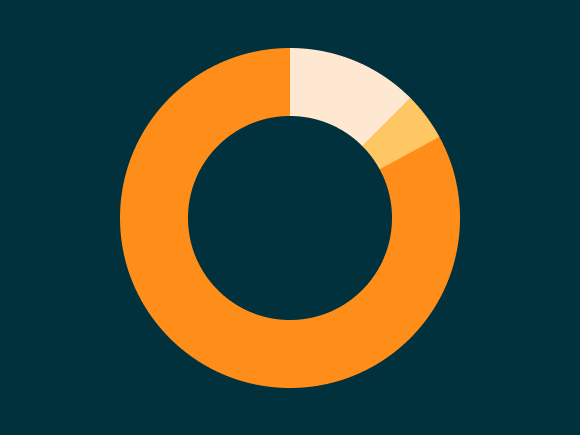
Information technology topped nonaccruals on a cost basis
Maturities of loans switching to at least partial PIK tends to be longer-dated than Octus’ other stress trackers: nonaccrual and fair value write-down reports.
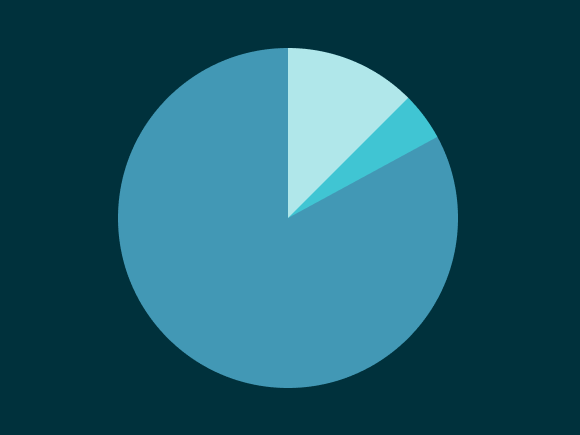
US Broadly Syndicated Loan CLO Defaults in 3Q26 Driven by Distressed Debt Exchanges
Out of court restructurings drove nearly all default activity within Fitch-rated U.S. broadly syndicated loan (BSL) CLO portfolios in 3Q26, Fitch Ratings says.