



Blame it on the Vikings.
When those ancient Scandinavians settled Iceland around 870 AD, they cut down most of the trees for firewood and to clear land for planting and livestock. A thousand years later that country of volcanos and glaciers is struggling to reforest.
Despite planting three million trees across a land mass the size of Kentucky, it’s barely made a dent. Iceland’s ecosystem remains challenged by soil erosion and strong winds. “Simply everything was stripped away,” reported Dr. Gudmundur Halldorsson, a soil scientist. “This is what people don’t realize. You can lose something like this in relatively few years.”
This Icelandic parable reminds us of what’s happening today in the forest of middle market leveraged loans. As our special series on covenant-lite structures has detailed, the competition for lead-arranged transactions is compelling direct lenders to remove maintenance tests from smaller issuers that would otherwise protect those lenders.
This combined with the pressure loan buyers feel to put money to work is distorting the traditional checks and balances of sound credit underwriting. There’s also a misalignment of incentives. Having lending partners in sync with sponsors allows the borrower to execute its business plan. Without covenants, lenders can only watch if the borrower spirals towards a payment default.
Middle market cov-lite further warps the natural lending landscape by distributing paper to parties mismatched for the borrowers. Broadly syndicated funds buy plenty of cov-lite, but for large caps who typically have access to alternative sources of capital. Middle market lenders know it’s important to have some measure of voting control.
It’s an issuer’s market for loans today – interest rates low, default rates modest, the economy healthy and plenty of capital flowing into markets. But in a downturn, smaller companies will need lenders to cooperate in potential restructurings.
How successful can that be when you have lenders accustomed to simply trading out of positions they’re no longer interested in holding? As one portfolio manager succinctly put it, “I don’t want to put anything in my portfolio I’ll regret later.”
Building a portfolio of solid middle market credits, like planting trees as part of a balanced environment, takes patience and persistence. There’s a huge temptation to reap short-term gains by stripping covenants and other protections to benefit the issuer. But the result could be a barren landscape barely able to support life.
We’re not saying experienced managers can’t find good opportunities even in frothy times. We just think, for the middle market, lenders and issuers can both win in the long-run if structures don’t go from bad to Norse.


Latest news

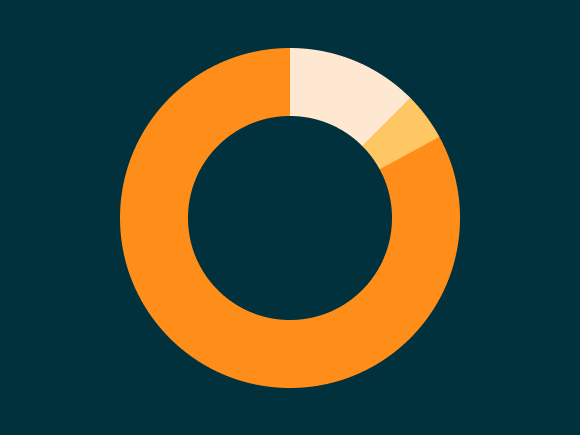
Information technology topped nonaccruals on a cost basis
Maturities of loans switching to at least partial PIK tends to be longer-dated than Octus’ other stress trackers: nonaccrual and fair value write-down reports.
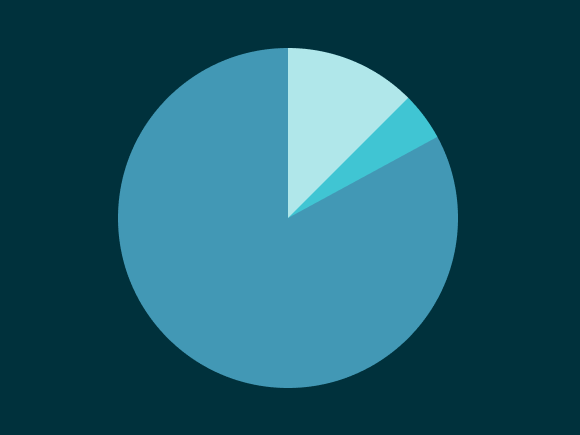
US Broadly Syndicated Loan CLO Defaults in 3Q26 Driven by Distressed Debt Exchanges
Out of court restructurings drove nearly all default activity within Fitch-rated U.S. broadly syndicated loan (BSL) CLO portfolios in 3Q26, Fitch Ratings says.