



It’s ironic. Just as the economy seems to be picking up steam and the Fed is ratcheting up rates to stay ahead of inflation, the prospect of additional tariffs and trade wars risks putting a damper on the whole party.
A recent survey of middle market dealmakers by Antares Capital (and featured by our friends at S&P LCD in their weekly wrap) highlighted these dueling forces. Just under 40% of respondents feel better about the economy than they had in January. But 47% of lenders surveyed expressed worries about what’s to come for the economy.
That view is indeed colored by trade and tariffs. As LCD reported, “more than two-thirds of respondents said they were concerned about trade issues, which could have top-to-bottom implications on supply chains.” They also note the survey came before June’s G-7 meeting that roiled US relations with European allies.
Peter Nolan, Antares’ loan syndication chief, put the dilemma succinctly. “What could be a continued and robust expansion may be blunted by our own trade policies.”
For further insights into the impact of trade headwinds, we consulted Tom Stewart, executive director for the National Center for the Middle Market. The Center is the leading source for knowledge, leadership and research on midsized companies.
“The middle market, I like to say, occupies the sweet spot between resilience and runway,” Mr. Stewart told us in an upcoming interview. “We are in the second longest expansion in history. So far, it’s been a blessedly placid environment. Interest rates are low, energy costs are low, labor costs are low, and raw material costs are low.
But will this benign business climate continue? “There’s concern about trade,” he continued. “All the costs I mentioned are up. Management is becoming more aggressive about price hikes; they will raise prices. The biggest problem, given near-full employment, is talent. The middle market feels it the most because resumes pour into Google. They don’t pour into a small widgets business based in Cincinnati, Ohio.
“For now, things look great,” Tom Stewart said. “But as Jack Welch once told me, ‘I know a train will come through this building. I just don’t know when and where it’s coming from’.”
Does it help that middle market companies are domestically focused? Yes, he said. “But the most successful and fastest growing middle market companies are those that engage with global markets. Canada and Mexico represent their two biggest trading partners. China comes third. Administration policies will affect them. This will certainly impact the price of auto parts, for example, as steel costs increase.”
A partner at a Midwest private equity firm agreed. “With unemployment as low as its been in living memory,” he told us this week, “we’re starting to see the squeeze on labor costs. No question immigration issues are having an impact. All the headlines are having a chilling effect on even legal immigrants. And our portfolio is beginning to see stresses on the bottom line.”


Latest news
PIK Your Next Adventure
Every amended PIK loan hits the same crossroad. Not everyone ends up at the same destination.
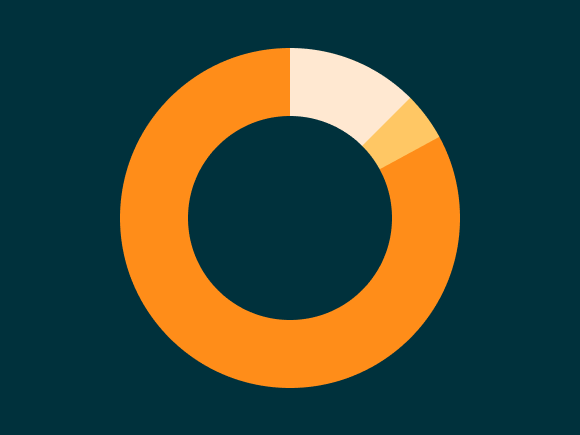
Top 50 BDCs Accounted for 75% of Nonaccrual Loan Cost in Q2’26
The 50 largest BDCs, on the basis of total debt investments as of the second quarter of 2026, accounted for 75% of the total aggregate reported value of nonaccrual debt at cost and fair value.
Private Credit Defaults 101: Beyond the Noise
Like any good school year, this series went by fast. But unlike the end of the year, we’re not out for the summer.