



When we first began distributing middle market loans (in the waning days of the Reagan Administration), the concept was novel. Back then money-center banks underwrote and syndicated mainly large corporate loans to other relationship banks. Smaller deals were mostly self-arranged, club affairs among regional banks and finance companies.
Ironically the world of middle market loan underwriting today remains a clubby business. But thanks to the regulatory climate, the members of the club have changed. Banks are being pushed further to the sidelines. In their place are specialized funds, BDCs, and other non-regulated credit providers. Rather than investing in only senior debt and having the private equity sponsor source the junior capital, arrangers are speaking for all the debt.
Traditional deal size barriers have also been redefined. Until recently, loan distribution of tranches over $250 million were the purview of bank syndication teams. Buyers were almost all institutional funds. Now the scale of the top middle market firms allows for club deals of $250 million and higher, with each participant taking increasingly higher shares.
Private equity sponsors have always played active roles in lender selection. This has been heightened for a number of reasons. First, the increasingly competitive nature of auctions has forced buyers to accelerate the bidding process. Relationship lenders are pre-selected to afford efficient negotiation of terms and expedited closings.
Deal terms are also often sponsor specific. One GP may be willing to pay for covenant flexibility, while another seeks the cheapest cost available. These decisions drive the kind of lenders willing to play in the credit. Knowing a lender’s risk tolerance and ability to take on a growing commitment over time is also key to building a relationship for the long run.
Even with a true syndication of a middle market LBO, the lead arranger’s function is less a matter of “going wide” to find willing participants, and more about constructing the right club of relationship lenders. That means helping the sponsor build value in their portfolio companies by enhancing debt capacity and flexibility, particularly amidst market volatility.
Is the middle market syndicate dead? Hardly. Last year over $40 billion of loans were sold the old-fashioned way – via bank meetings at the Waldorf. But as non-regulated entities bulk up by adding side-pockets of capital, most of the loan distribution occurs among internal funding vehicles. And rather than selling themselves down to zero (as banks typically do), middle market arrangers can hold commitments of size.
What’s next in the middle market distribution game? Interestingly, the larger one-stop shops may be nearing their comfortable hold limits and are hiring experienced sales staff to add distribution capability. But what they will find, as was true in the middle market decades ago, is that relationships still matter.



Latest news

PIK Your Next Adventure
Every amended PIK loan hits the same crossroad. Not everyone ends up at the same destination.
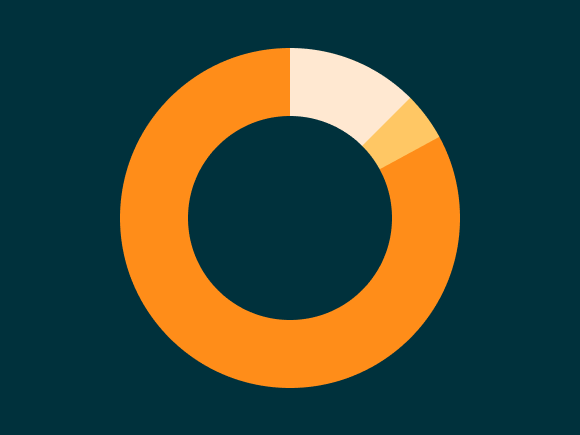
Top 50 BDCs Accounted for 75% of Nonaccrual Loan Cost in Q2’26
The 50 largest BDCs, on the basis of total debt investments as of the second quarter of 2026, accounted for 75% of the total aggregate reported value of nonaccrual debt at cost and fair value.
Private Credit Defaults 101: Beyond the Noise
Like any good school year, this series went by fast. But unlike the end of the year, we’re not out for the summer.