
The question investors of all stripes face today is, what is the “new normal” for businesses? Unfortunately, as a recent Accenture study notes [link], “normal isn’t available to us anymore.”
In the absence of normality, sponsors and lenders are adapting.
“We historically focused on six sectors,” the partner of a top middle market private equity firm recently told us. “COVID swept two away, leaving four. Which is totally fine. We’re still getting books on the others, but we’re running with traction areas.”
The world of investment banking has seen industries up-ended by the coronavirus. Businesses traditionally sheltered during recessions – for example, low-cost fitness centers – have been slammed with shutdowns. Others with little-to-no growth coming into the crisis (e.g. printed catalogs) have flourished as consumers’ attention shifted to needs closer to home.
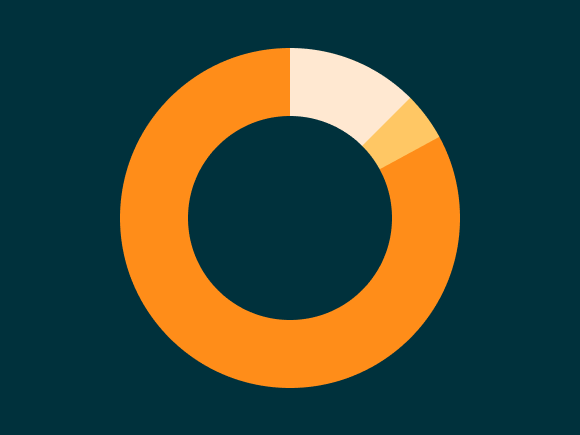
As our Chart of the Week shows, deals being financed by direct lenders reflect these new realities. Healthcare, software, and business services were the lion’s share of transactions announced last month by our content partner, DLD.
Healthcare comprises many sub-sectors (see our special series on the new healthcare – link). Patient-facing ones have been the most impacted by COVID. Revenues of physician practice management businesses across multiple specialties slumped sharply as the virus rolled through the US.
Medical facilities are now slowly re-opening, but national outbreaks present a challenge to that trend. The same holds true of all retail-type businesses. Few of these are saleable in today’s climate, given the uncertain outlook.
More predictable is B2B. Our M&A series highlighted the reconstructed pipeline of sell-side transactions, primarily less COVID-sensitive properties. While bankers report better deal flow, monthly numbers are still “anemic.”
Refinitiv LPC reports significant fall-off from 1Q to 2Q for syndicated middle market loans. Interestingly, the steepest decline came from the more defensive sectors. Volume of business services deals, for example, fell from over $3 billion to less than $1 billion. Technology and healthcare loans showed similar drop-offs.
This trend is echoed by ratings downgrades. Refinitiv data showed the greatest number of Moody’s and/or S&P loan downgrades came from manufacturing, chemicals and plastics, and business services.
With COVID upending every aspect of our lives, identifying new consumer and commercial trends is a moving target. One thing is apparent: the right opportunities will demand investors change their “normal” mindsets.


Latest news

US leveraged loan launches reach five-month high in September
The US leveraged loan market recorded $93.6b of launches in September, marking the busiest month of primary market activity since…
Information technology topped nonaccruals on a cost basis
The information technology sector moved from second place in the first quarter to the top of the list in the second quarter